Visual language is the centre of design. Unknowingly through cultures such as Monks, the Ancient Egyptians and Indigenous Aboriginal people design practise was born in the form of visual language. This occurred through the creation of paintings, carvings and doodles. This is a representation of humanity as these early forms of visual language demonstate the human nature of expression. Such mediums are still carried out today. Perhaps not on the walls of caves, but daily society is bombarded with many different forms of visual language from pop-up advertisements on YouTube to the simple high-school desk engraving “Mark was here 2007”. Evidently all forms of visual language have significance and based on an individuals context the meaning and function of the visual medium will differ.
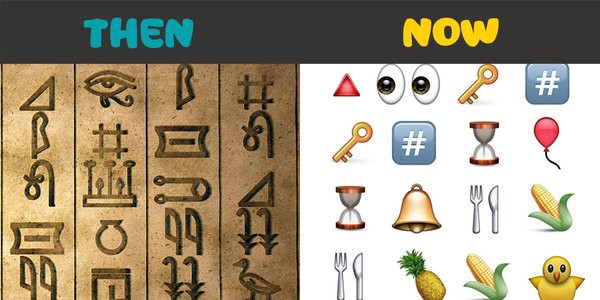
Visual language is a broad mode of communication. It can encompasses art, pictograms, pictographs, fossils, magazines, movies, the list continues. However due to technology, the saturation of visual language has been heightened and revolutionised. Emojis are one of the latest and most widely used forms of visual language by the general public. According to ADWEEK “92% of online consumers use emojis” (Shaul, 2015). Emojis foster expression by allowing the user to accurately represent their thoughts or feelings without words. As Hamza Alshenqeeti (2016) analysed, similarities between emojis and hieroglyphics and cuneiform can be drawn. This devises that emojis are not a new language, but are rather a digital communication addition adapted from an evolution of older visual language. This is interesting as humans have descended back to ancient and medieval times using non-verbal commuication rather than an alphabetised language. Subsequently, such symbols can be recognised and interpreted by different cultures allowing users to express tone and intent to others globally.
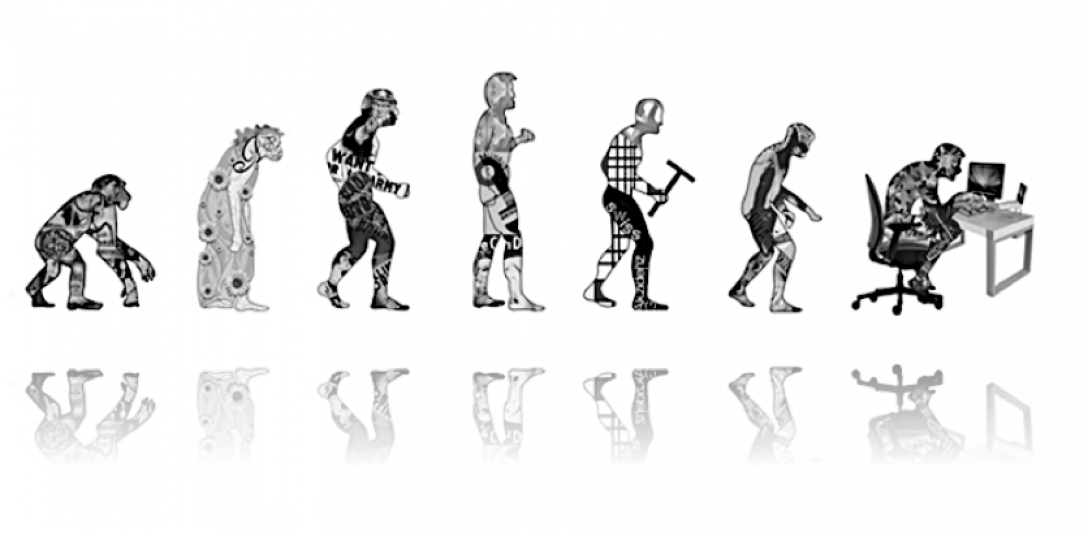
Examining visual language generates fascinating details regarding humanity and communication. Within 21st Century Western society we claim to be highly evolved. However when examined microscopically it is certain that today we are not so indifferent from those that walked this Earth millions of years ago. Design has emerged from the foundation of basic visual language and communication into a profession and/or personal hobby, in which has many different revenues. As such these visual language fundamentals are instilled and used everyday within society.
By Chelsea Buswell.
References:
Antonia, G 2017, “Back the future: From Hieroglyphics to Emojis — The full revolution of the image”, Available at: https://medium.com/@gaialondon/back-to-the-future-from-hieroglyphics-to-emojis-the-full-revolution-of-the-image-2a17c0c7daef viewed 7 August 2018.
Shaul,B 2015, ‘Report: 92% of Online Consumers Use Emoji ‘ (Infographic), Available at: https://www.adweek.com/digital/report-92-of-online-consumers-use-emoji-infographic/ viewed 7 August 2018.
Alshenqeeti, H 2016, ‘Are Emojis Creating a New or Old Visual Language for New Generations? A Socio-Semiotic Study’, Advances In Language And Literary Studies, 7, 6, pp. 56-69, ERIC, EBSCOhost, viewed 7 August 2018.

 Made in Design