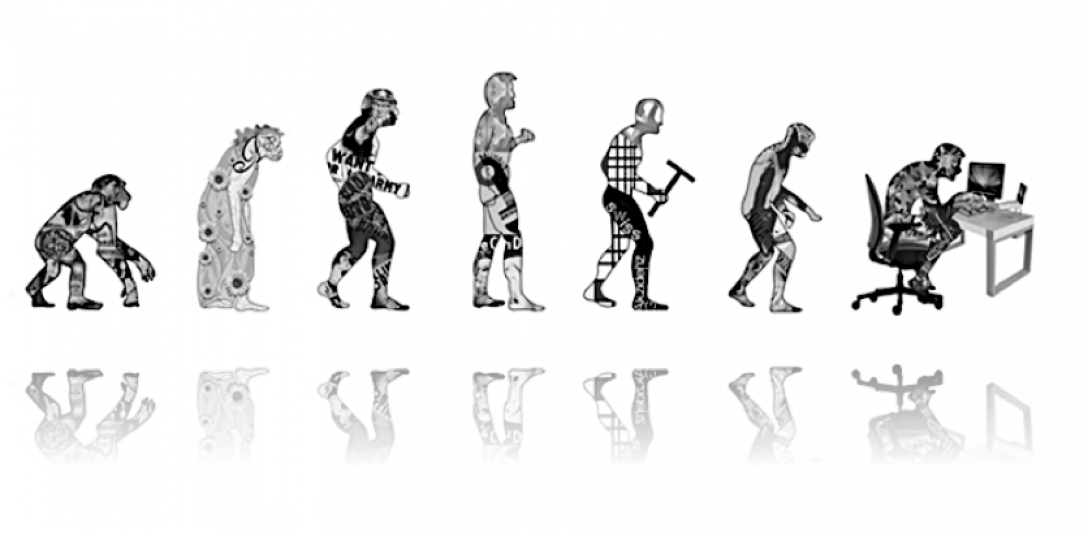
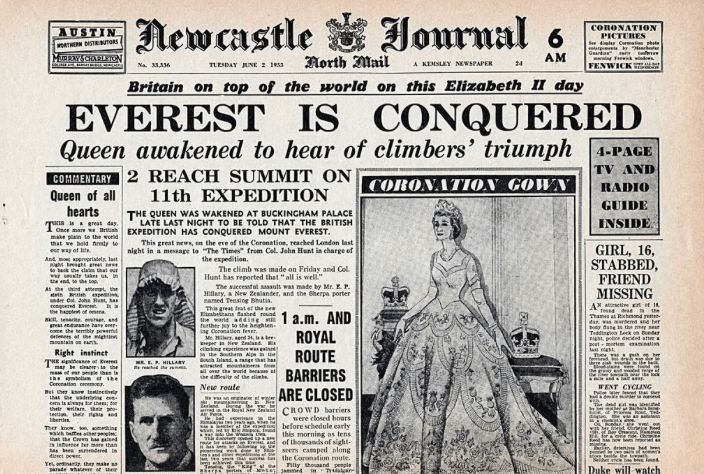
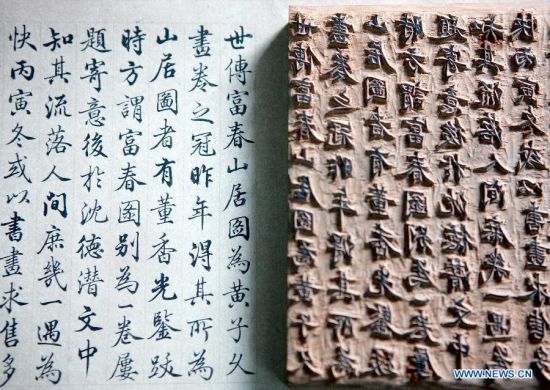
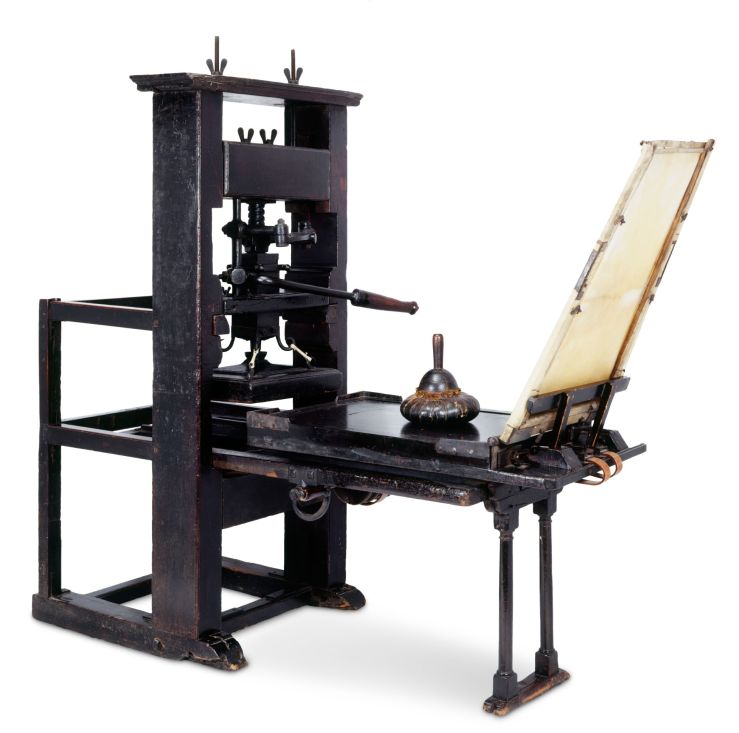
Before todays automated press different people and cultures had a variety of ways for producing text. Earlier press began in China, in which woodblocks were used to create characters for books. This process was slow and the woodblocks would wore out quickly. Then in 1915 came the start of mass produced press with Johannes Gutenberg inventing the Gutenberg Press. As this type was metal and movable it was not only faster at printing but the metal could withstand constant use. Prior to the Gutenberg press most people were illiterate and thus this was the beginning for the renaissance of graphic design. Over the past 20 years mass production print media has been declining. Todays threat is the rise of digital journalism and the flow of information through the Internet (Evgeny, 2016). Newspapers once were the main source of societies information. Now with the convenience of digital media, newspapers have become impractical and an unnecessary expense.
The invention of photography was another momentous event, in which changed society. It all started with Camera Obsecura in the 13th Century. Camera Obsecura was a photo preservation device and thus it still took many more centuries to develop todays cameras and phones. Early photography raised questions of authenticity as people were uncertain of how what was usually the work of painters could be imitated. This new form of representation could be viewed as the killer of fine art, whereby artists in the 19th century were now exploring new revenues of work that could not be recreated through photography. These styles included expressionism. Nevertheless, 19th century society didn’t have the larger issue of the Internet. From classical media to todays digital era society faces new concerns. Almost anyone can be their own author/artist with social platforms such as Instagram allowing users to create their own content and publish it. Through these platforms images can be altered through the means of filters and photoshop. Stock photos also add this element of uncertainty regarding authenticity. Images today are extremely mass produced and widley saturated that we don’t consciously question if it is real or not. However in this digital era whereby material can be mass produced and circulated easily, society must be more cautious and aware especially in regards to privacy and integrity of information.
As such it is clear that both mass produced print and photography have changed time. But these mediums have also changed throughout time and thus so have the experiences of society.
By Chelsea Buswell.

References:
Tolmachev, I. 2010, “A History of Photography Part 1: The Beginning”, Available at: https://photography.tutsplus.com/articles/a-history-of-photography-part-1-the-beginning–photo-1908 , Accessed: 10 August 2018.
Evgeny V. Akhmadulin, 2016, “Print Mass Media: Territory of Survival”, Ûžnogo Federalʹnogo Universiteta: Filologičeskie Nauki, Vol 2016, Iss 3, Pp 156-160, Accessed 10 August 2018.
“Artist using camera obscura”, 2012, Available at: https://aehistory.wordpress.com/1700/01/01/1700-camera-obscura-in-drawing-process/artist-using-camera-obscura/ , Accessed: 10 August 2018.
“Woodblock printing workshop in E. China” – Lifestyle News – SINA English, 2012, Available at: http://english.sina.com/life/p/2012/0425/461785.html , Accessed: 10 August 2018.
“How is a book made?” 2018, Available at: https://www.dkfindout.com/uk/more-find-out/special-events/how-is-book-made/ , Accessed: 10 August 2018.
Maxey, M. “1953 newspaper headlines | NEWSPAPER HEADLINES etc : Old Newspaper articles from times past in”, Pinterest, Available at: https://www.pinterest.co.uk/pin/562950022142201766/ , Accessed: 10 August 2018.

 Made in Design