“A brand is a name, term, design, symbol, or any other feature that identifies one seller’s good or service as distinct from those of other sellers” (American Marketing Association, 2017). Branding creates an identity for the company and its goods or service. The idea of branding originated from burning wood and livestock with metal symbols, to portray ownership. It than evolved to distinguish quality in the 1820s when mass production was at a large. In the 1870s trademarks could be registered in order to prevent competitors from creating similar products. This helped to make trade simpler and helped society easily recognise goods and services.
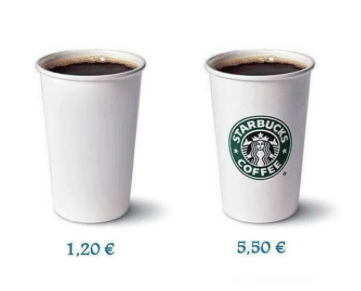
From craftsmanship to today’s high saturation of branding and logos it is evident that visual identity is important within the realm of visual communication and design. Nowadays branding is not only used to make goods and services recognisable but has become an essential part of everyday life (Bulatović, I., Škorić, S. and Jovanović, V. 2016). There are hundreds of iconically famous logos, icons and images that instantly depict the good or service. For example society see’s the golden arches in the red square and we automatically know it means McDonalds. This is powerful branding as the symbol has become globally embedded within society regardless of culture. Within today’s competitive market the socially constructed identity that is formed from a companies visual identity is crucial to business success and consumer loyalty. Branding today is is so much apart of society and our emotions that celebrity identity branding has become a powerful channel for connecting the values of a company with a famous influencer. An example of this is Usian Bolt for Puma. This marketing strategy coincides with branding to almost bring the company to physical life. Branding can also be the difference between price. A plain white t-shirt can cost $2 at Kmart, however a white t-shirt with Gucci on it will cost around $450. Due to branding, luxury goods and services like Gucci have the ability to do this as they have created a clear market segment and consumer desire.
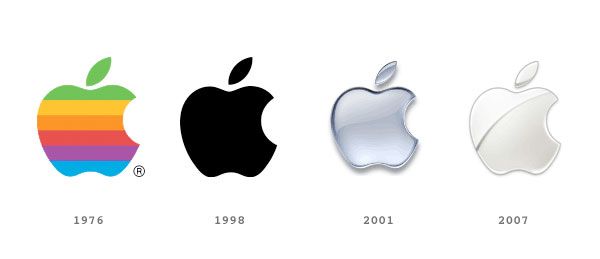
Designing a successful brand is based on compelling communication (Bulatović, I., Škorić, S. and Jovanović, V. 2016). Often companies have to re-brand due to low sales or high competition. Apple is an example of this when it underwent a major re-branding under the ownership of Steve Jobs in 1997 (DeMers, J. 2016). Prior to this Apple wasn’t attracting customers. Yet today most of the global population recognises the Apple icon and there is a desire to keep up with the latest Apple products. As such branding is essential for creating a memorable impression and experience for consumers so that society knows what to expect from the good or service.
By Chelsea Buswell.

References:
American Marketing Association. (2017). Dictionary. Available at: https://www.ama.org/resources/pages/dictionary.aspx?dLetter=B(Accessed: 7 September 2018).
Bulatović, I., Škorić, S. and Jovanović, V. (2016) ‘Branding a Business Name’, BRENDIRANJA POSLOVNOG IMENA KOMPANIJA., 63(4), pp. 1323–1332. Available at: http://ezproxy.newcastle.edu.au/login?url=http://search.ebscohost.com/login.aspx?direct=true&db=bsu&AN=120827821&site=ehost-live&scope=site(Accessed: 7 September 2018).
DeMers, J. (2016) 5 Examples Of Rebranding Done Right. Available at: https://www.forbes.com/sites/jaysondemers/2016/07/07/5-examples-of-rebranding-done-right/ (Accessed: 7 September 2018).
wooden advertising boxes – Google Search | Boxes | Pinterest | Box, Crates and Wooden crate boxes. Available at: https://www.pinterest.com.au/pin/381257924683146725/ (Accessed: 7 September 2018).
Dunn, G. (2017). Is It Time To Rebrand? – iGina Marketing & Branding. Available at: https://www.igina.net/is-it-time-to-rebrand/ (Accessed: 7 September 2018).

 Made in Design