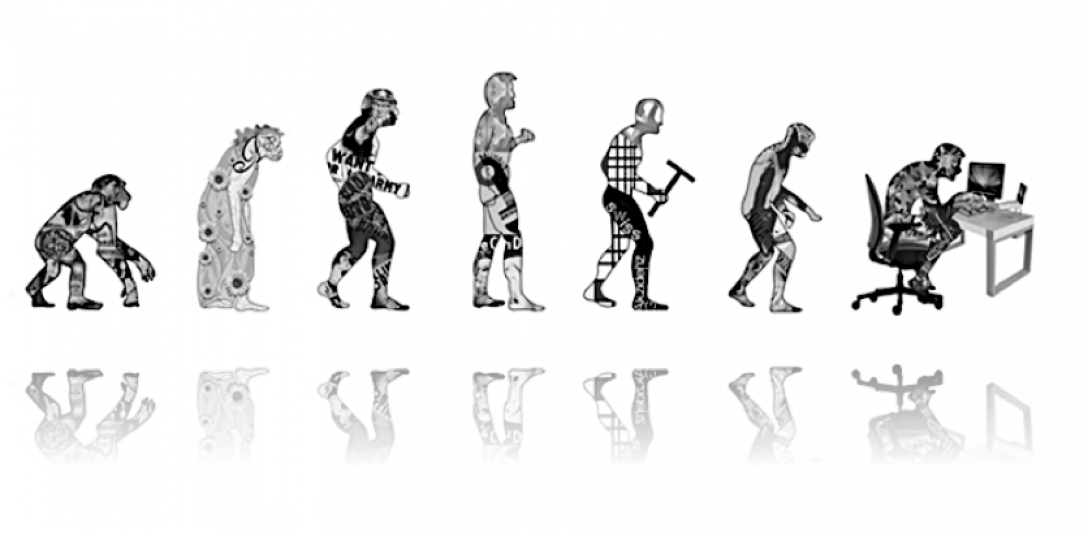
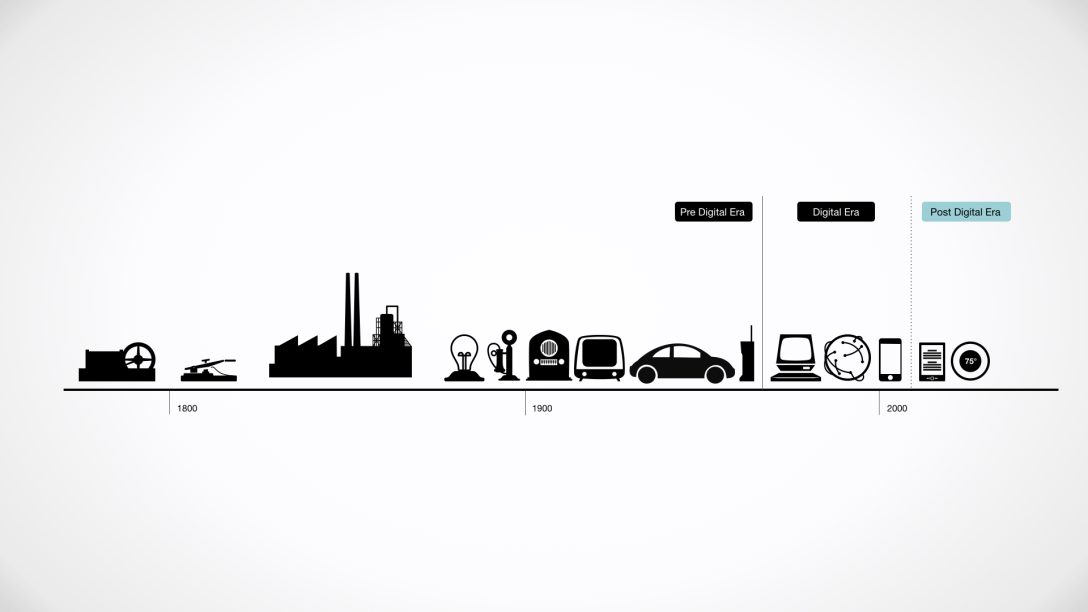
Cramer (2014) opens the journal article with an example of a meme, in which features a hipster and his typewriter. This sets the scene regarding the concept of the post-digital era as Cramer (2014) is outlining the rejection to high-tech devices and values through the niche hipster group. A renaissance of old devices and materials has become a trend within the post-digital era.
Cramer (2014) also debates the meaning of post-digital, drawing from a number of sources and theorists to form a definition. He describes that post-digital does not mean the end of the digital era but rather mutations of technology and culture and that the term highlights individuals whom oppose technological changes and advances. Cramer (2014) adds that there are two deeper understandings of the concept. One being the rejection of high tech and the other the rejection of low digital quality. As such people whom oppose the post-digital era may do so because they don’t see the point in over complicating things with high tech or because of quality e.g vinyl records sound better than CD’s. However it is also about personal preference, what devices do the best job for it’s intended purpose. As Cramer (2014) explains with the hipster meme, the purpose of the typewriter was because the user was writing personal narratives for consumers and therefore wanted a more authentic feel rather than a computer written document. This highlights the importance of using the right technology for the task and hoe experience changes purpose. In relation to this Cramer (2014) illustrates that the agency is also significant. This means that the control over the technology and the outcome are different depending on the task. Cramer (2014) discovered that a lot of people prefer hand making posters, brochures etc. because they felt as though they had more control and were therefore able to experiment better by physically designing something themselves. As such this post-digital mindset rejects the high-tech resources in comparison to manual output.
In conclusion, Cramer (2014) raises an interesting discussion about the post-digital era and what it means to be post-digital. The ideas of hipsters, authentic experiences, technological disruption, choice of technology and control are analysed along with many other similar topics.
By Chelsea Buswell.
References:
Cramer, F. (2014). What is Post-digital? APRJA, 3(1).
S, Sirpal (2016). Productecture: Designing for the Post-Digital Era · PubPub. Available at: http://v2.pubpub.org/pub/productecture (Accessed: 12 October 2018).

 Made in Design